
3 hr
Night Mangrove Safari with Dinner
Explore nocturnal wildlife by boat through Costa Rica's mangrove channels after dark
Reserve
Hand-picked by our editors — only the best 5 night mangrove experiences from 12 reviewed.
Verified partners for every tour, free cancellation where available, and instant confirmation on every booking.
3 hr
Explore nocturnal wildlife by boat through Costa Rica's mangrove channels after dark
Reserve
2 hr
Navigate the Damas mangroves after sunset to witness nocturnal wildlife in their natural habitat.
Reserve
3 hr 30 min
Explore the nocturnal mangrove ecosystem by boat, spot wildlife after dark, and enjoy authentic Costa Rican cuisine.
ReservePrices from verified partners. Availability updates in real time at checkout. Free cancellation policies apply where shown.
The landmarks, rooms, and views travelers on this tour remember — all visible on a single visit.
Navigate silent waterways where 70% of local species become active after dark.
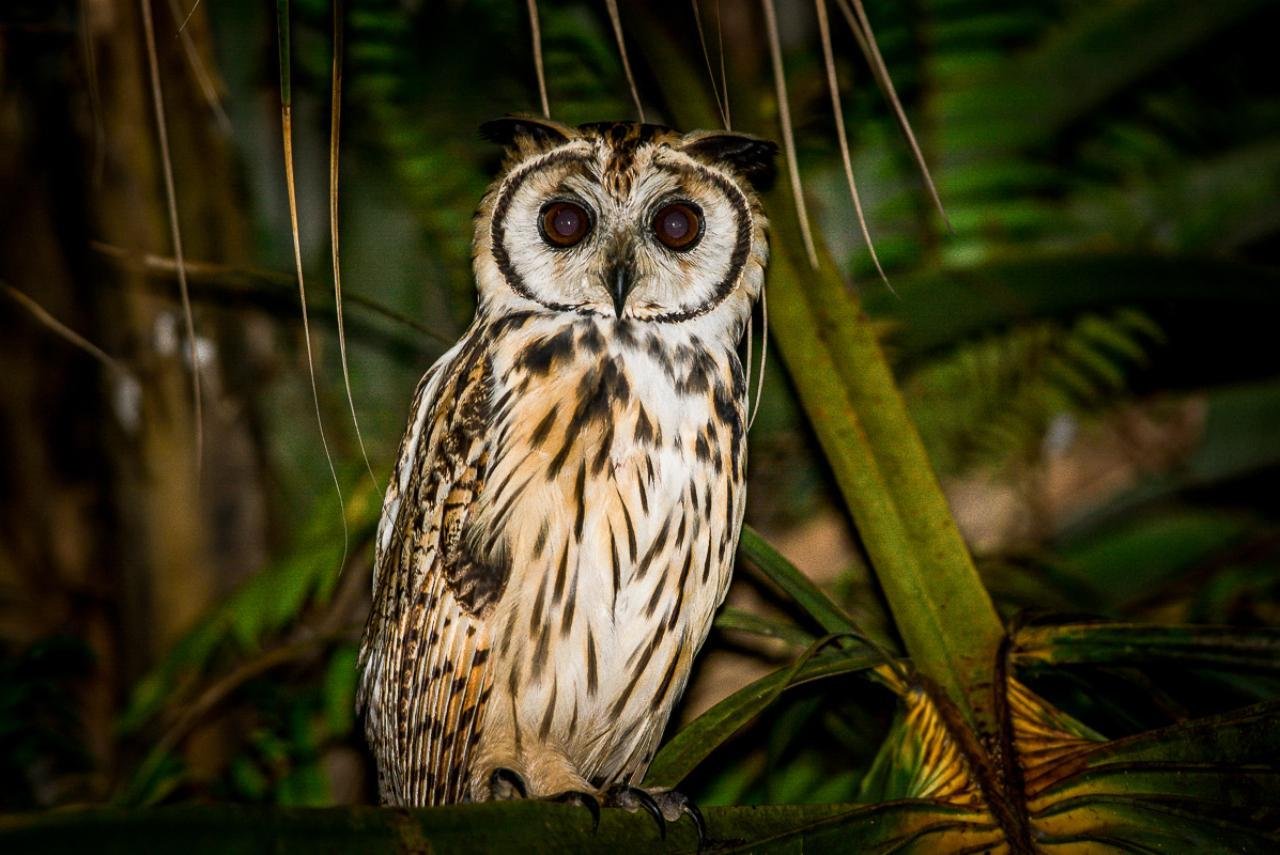
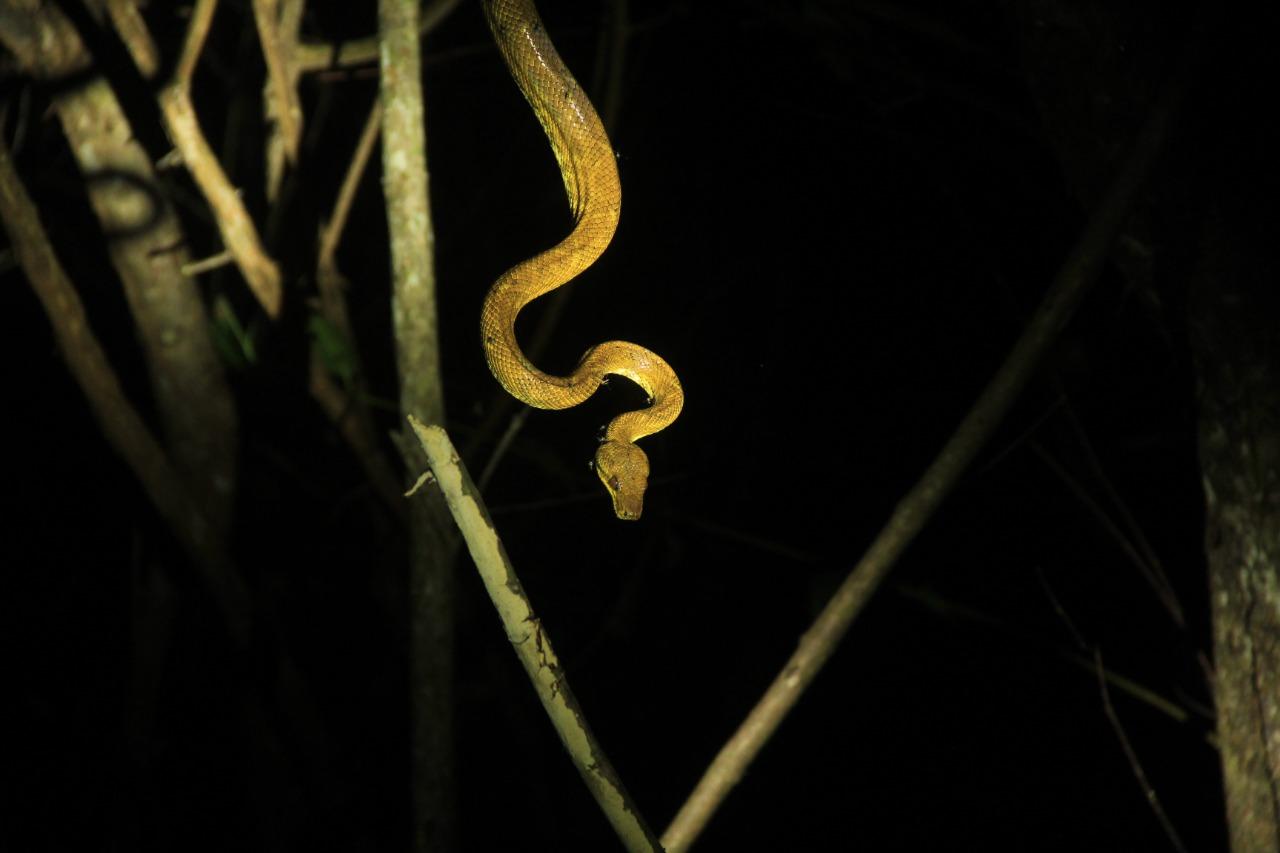
Spot shy species like boas, caimans, and bats using provided flashlights.
Glide through natural tunnels formed by complex and tangled mangrove root systems.
Observe unique bird species including herons and kingfishers resting in the trees.
Experience the natural bioluminescence and fireflies that occasionally light up the water.
The water-based adventure provides a relaxed perspective of aquatic life, while the terrestrial jungle trek offers a more immersive engagement with forest floor biodiversity; most visitors who do both call the hike the more physically active pursuit.
| Feature | Top pick Mangrove Night Tour | Jungle Night Walk |
|---|---|---|
Environment |
Damas Island Estuary | Rainforest trails |
Activity Level |
Low — seated boat transit | Moderate — walking on uneven terrain |
Primary Wildlife Sightings |
Crocodiles, snakes, aquatic birds | Frogs, insects, nocturnal mammals |
Comfort |
Stable, breeze-cooled boat | Humid, walking intensive |
Accessibility |
Easy access via boat | Requires physical mobility on trails |
| See tickets → |
Verdict: Choose the manuel antonio mangrove night tour tour if you prefer a calm boat-based observation, or opt for the walk if you seek to secure your manuel antonio mangrove night tour tickets for a more rigorous encounter with coastal flora and fauna, noting that these manuel antonio mangrove night tour tours offer distinct ways to experience local landmarks.
Choose your ticket, select your date, and reserve in under two minutes. Secure checkout handled by our verified partner.
Instant confirmation by email, with a mobile voucher you can save offline. No printing, no queuing at a collection desk.
Arrive at the entrance, show your voucher on your phone, and walk in. Most tickets include priority or skip-the-line access.
Practical details for your visit straight from our verified partners — hours, access, rules, and how to get there.
Wear comfortable, lightweight clothing and closed-toe shoes for the manuel antonio mangrove night tour. Long sleeves and trousers are recommended to protect against insect bites during the evening.
Small personal bags are permitted on the manuel antonio mangrove night tour boat. Please keep belongings secure as water splashes may occur during navigation.
Photography is encouraged on the manuel antonio mangrove night tour; however, use non-flash settings to avoid disturbing nocturnal animals. A camera with low-light capability is ideal for capturing wildlife in the estuary.
The manuel antonio mangrove night tour is conducted on engine-powered boats, offering a relaxed experience suitable for most guests without requiring physical exertion. Please advise the operator of any mobility concerns during booking.
Families are welcome on the manuel antonio mangrove night tour, which provides a safe and educational environment for children to observe nocturnal wildlife. Children under 6 years old may qualify for free entry depending on the specific operator.
Many manuel antonio mangrove night tour packages include a meal before or after the boat ride. Please confirm specific meal inclusions with your selected operator at the time of booking.
Best time to go, insider tips, nearby landmarks, and the cancellation fine print — flip through to skim what matters to you.
Flexible, no hidden fees.
Bookings must be cancelled at least 24 hours in advance for a full refund. Entrance fee is 0 USD per operator policy.
The Damas Island Estuary shelters eighteen square kilometres of red, white, and black mangrove forest—one of Central America's densest concentrations of littoral wetland. Here the Paquita and Damas rivers merge into tidal channels that flood twice daily, drawing nutrients from the Pacific and converting them into a nursery for snappers, grunts, and juvenile tarpon. By nightfall the forest transforms: four-eyed fish (Anableps dowi) rise to the surface, their bifurcated pupils scanning simultaneously above and below the waterline for predators and prey. Spectacled caimans patrol the shallows. Silky anteaters curl into fist-sized spirals on cecropia branches. Brown-throated three-toed sloths, invisible at noon, become visible by headlamp as they shift between canopy corridors. The estuary's biological productivity exceeds that of most terrestrial rainforests; one hectare of mangrove root mat supports more than two hundred fish species and serves as a roosting site for boat-billed herons, yellow-crowned night herons, and the occasional mangrove black hawk. Boat-based nocturnal excursions depart from the village of Damas around sunset, when the tide is high enough to navigate the narrower tributaries. Operators launch from wooden docks along the river mouth, where artisanal fishermen mend nets and egrets stalk the mudflats. The journey inward traces channels barely wider than the boat, overhung by tangled prop roots that shelter crabs, gastropods, and mudskippers. Guides use handheld spotlights to track eyeshine—the tapetum lucidum reflection that betrays a caiman's position in total darkness. Silence is protocol; the slightest scrape of paddle or hull sends ripples through water so still it mirrors the forest canopy above. The mangrove's ecological role extends beyond wildlife habitat. Its root systems trap sediment, stabilize coastlines, and buffer inland areas from storm surge. Carbon sequestration rates in mangrove soil exceed those of terrestrial forests by a factor of five, making these wetlands critical in climate mitigation strategies. Costa Rica's commitment to reforestation has restored degraded mangrove zones along the Central Pacific coast since the early 2000s, and the Damas estuary now functions as a living laboratory for restoration ecology. Night tours offer direct observation of this recovery: juvenile sharks and rays that vanished from overfished waters in the 1990s have returned, their populations rebounding as trawling bans take effect offshore.
"One hectare of mangrove root mat supports more than two hundred fish species and serves as a roosting site for boat-billed herons, yellow-crowned night herons, and the occasional mangrove black hawk."
A step-by-step walkthrough of the visit — what you'll see, how long each stage takes, and the details that matter.
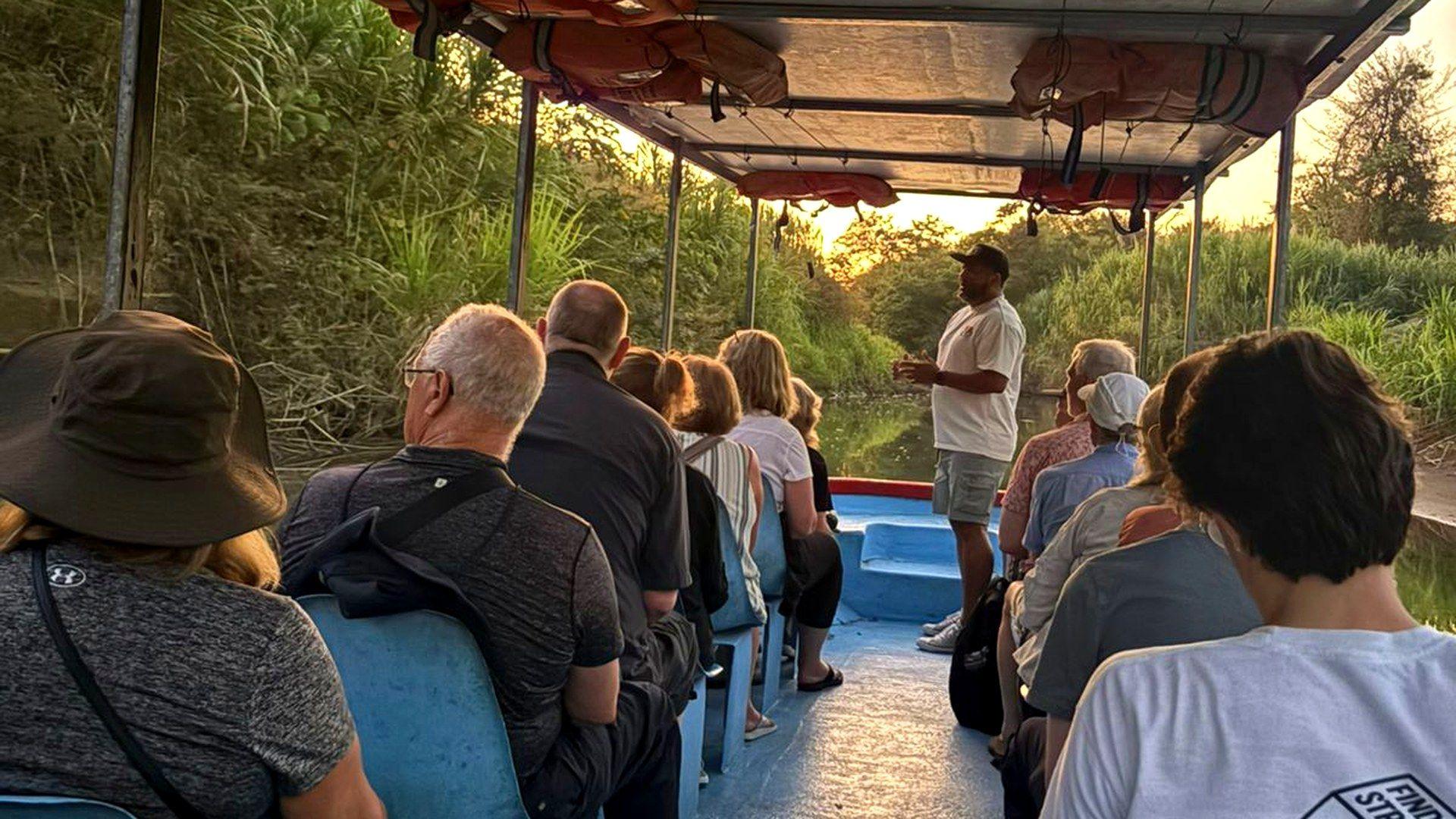
You meet your guide at the Damas landing as the sun drops behind the coastal ridge, casting the estuary in amber light. The boat—a low-draft panga or kayak, depending on your chosen tour—sits ready at the dock, life jackets and waterproof bags stowed beneath the benches. You push off into the main channel as frigate birds settle into the canopy for the night. The water is warm, brackish, tinted ochre by tannins leached from decomposing leaves. Twenty minutes downstream you enter a narrower tributary where the mangrove walls close overhead, forming a living tunnel. Your guide cuts the motor. The forest hums with insect chorus. You drift in near-silence, scanning the root mats with a headlamp. A pair of eyes flares green fifty metres ahead—a caiman, motionless except for the slow sweep of its tail. You pass within arm's reach of a silky anteater, its golden fur luminous in the beam. The guide gestures to a cluster of bats skimming the water's surface, drinking on the wing. Farther in, the channel opens into a lagoon where bioluminescent dinoflagellates pulse faintly in the boat's wake. You dip your hand into the water and watch the light trail from your fingertips. Above, the Milky Way arcs across a sky unobscured by coastal development. The return journey follows the outgoing tide, the forest now fully dark, alive with sounds you cannot see but know are there.
The facility is open daily from 07:00–20:00, though night tours typically depart around sunset.
There is a 0 USD entrance fee; however, tour costs vary by operator.
We recommend arriving within the 17:00–19:00 window to ensure you are ready for your sunset departure.
Yes, the manuel antonio mangrove night tour is very family-friendly and accessible for all ages.
You may observe snakes, nocturnal birds, bats, frogs, caimans, and other wildlife active in the Damas Island Estuary.
No, the manuel antonio mangrove night tour uses motor-powered boats, so it is a relaxed, non-strenuous experience.
Many manuel antonio mangrove night tour tickets include round-trip transport from local hotels.
Bring insect repellent, a light jacket, and a camera to capture your experience.
Yes, you can receive a full refund if you cancel your manuel antonio mangrove night tour tour at least 24 hours in advance.